
Noise reduction in industrial CT
Short exposure times save scan time but leave the volume grainy, and noise hides small defects. Voxray combines advanced denoising with sub-voxel TV denoising in QRT to remove the noise while keeping edges sharp.
Where does noise in CT come from?
Every detector pixel counts a limited number of X-ray photons, and that count varies randomly from projection to projection. The fewer photons arrive, the larger this variation is compared with the signal. Short exposure times, fewer projections, dense materials and small voxel sizes all reduce the number of photons per voxel.
Filtered backprojection (FDK) amplifies this noise: its ramp filter boosts high spatial frequencies, and the noise ends up as grain throughout the whole volume.
How to recognize it
A grainy volume, especially in fast or low-dose scans.
Small pores, cracks and thin layers disappear in the grain.
Rough surfaces, so surface determination and dimensional measurements scatter.
Materials with similar density are hard to tell apart.
Before and after
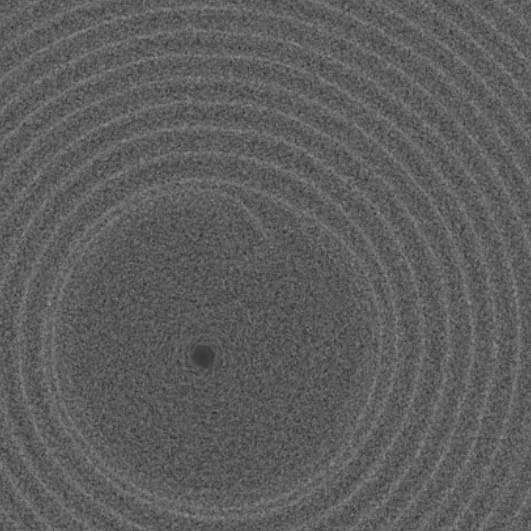
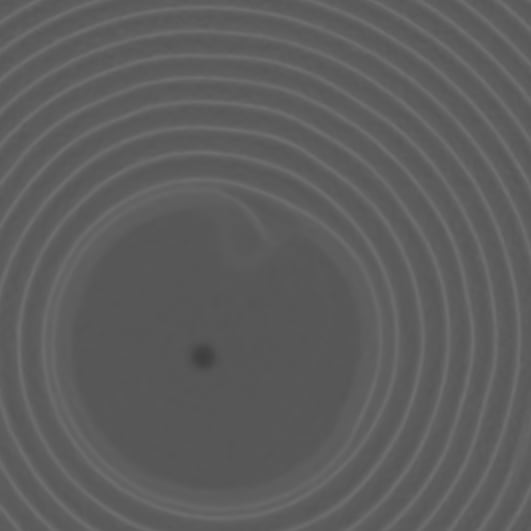
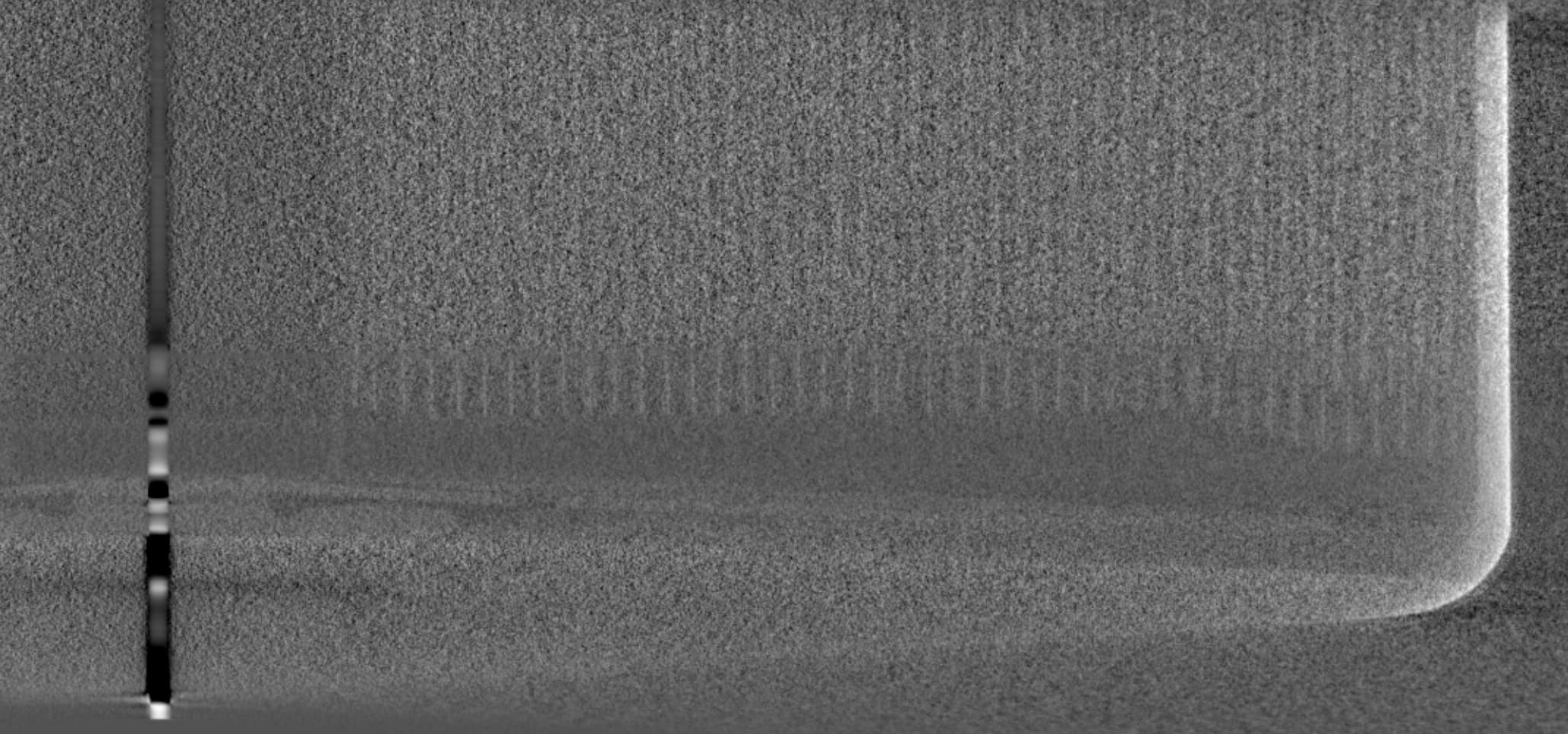
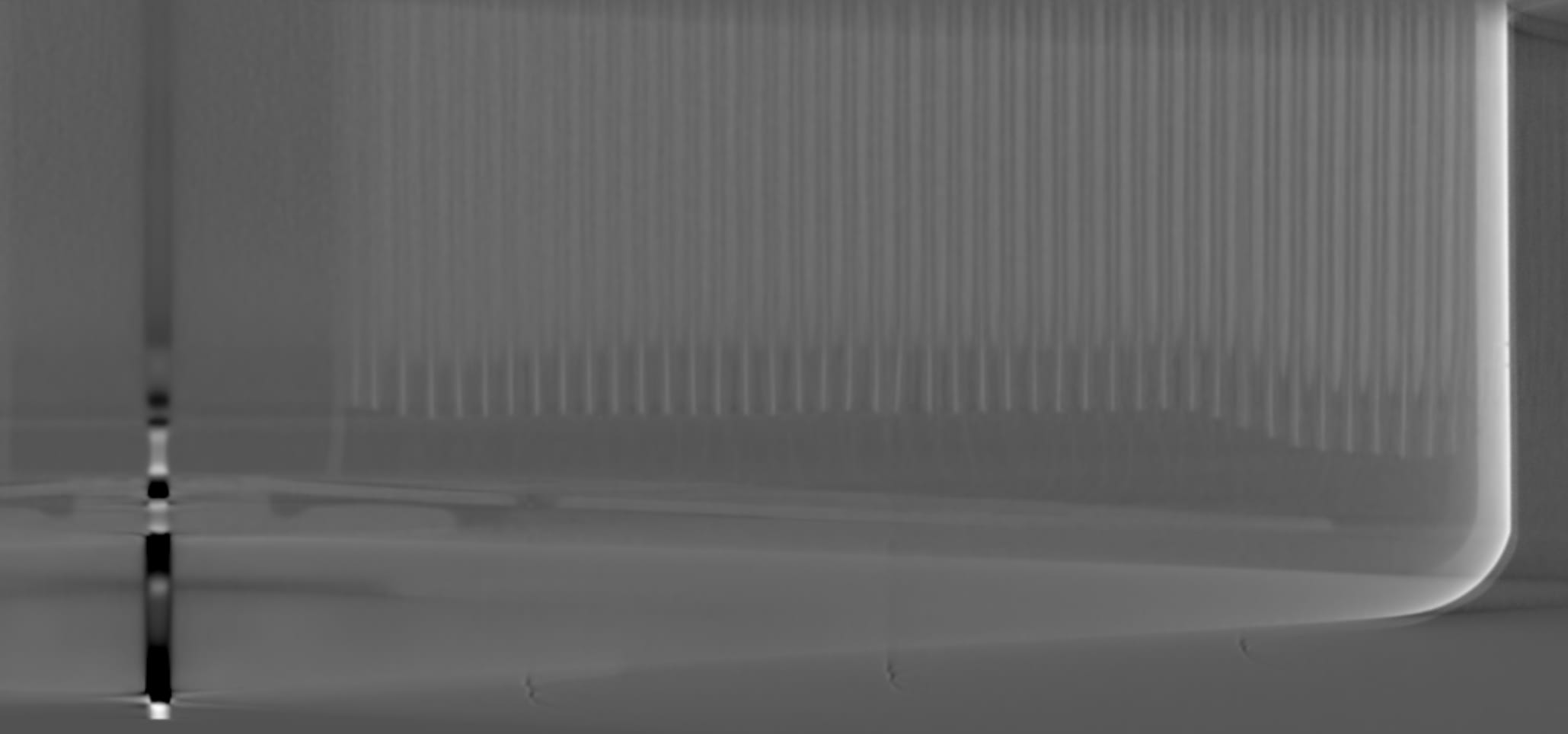
Real scans with and without Voxray denoising. Drag the slider to compare.
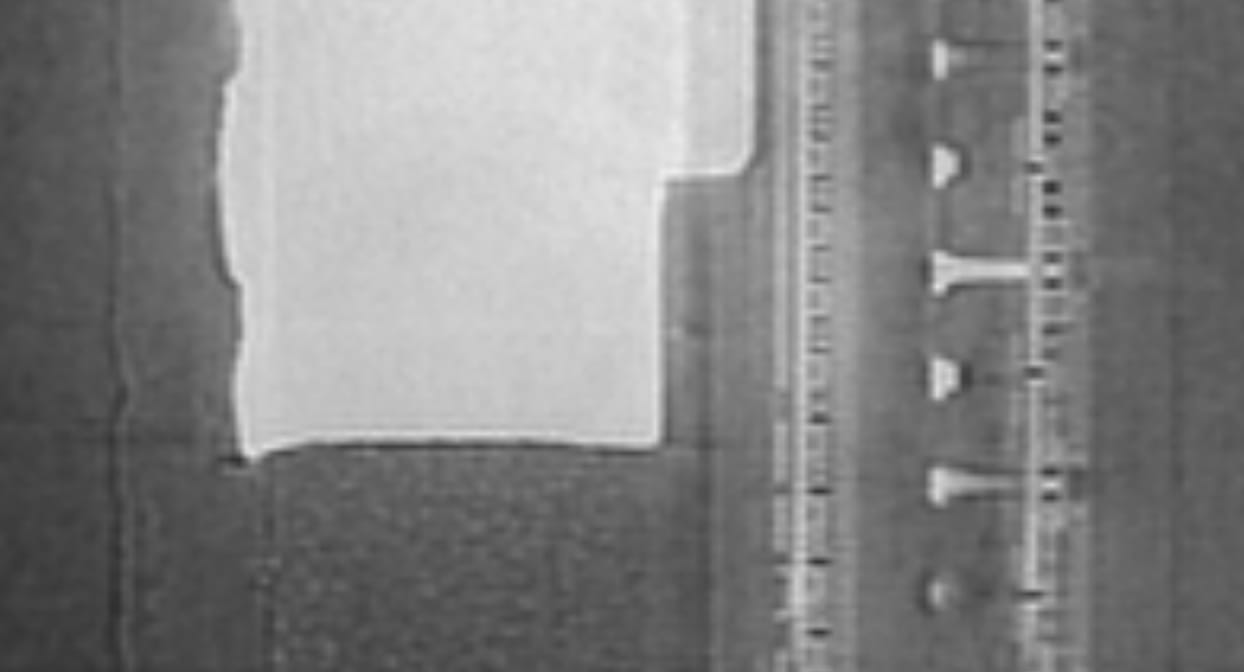
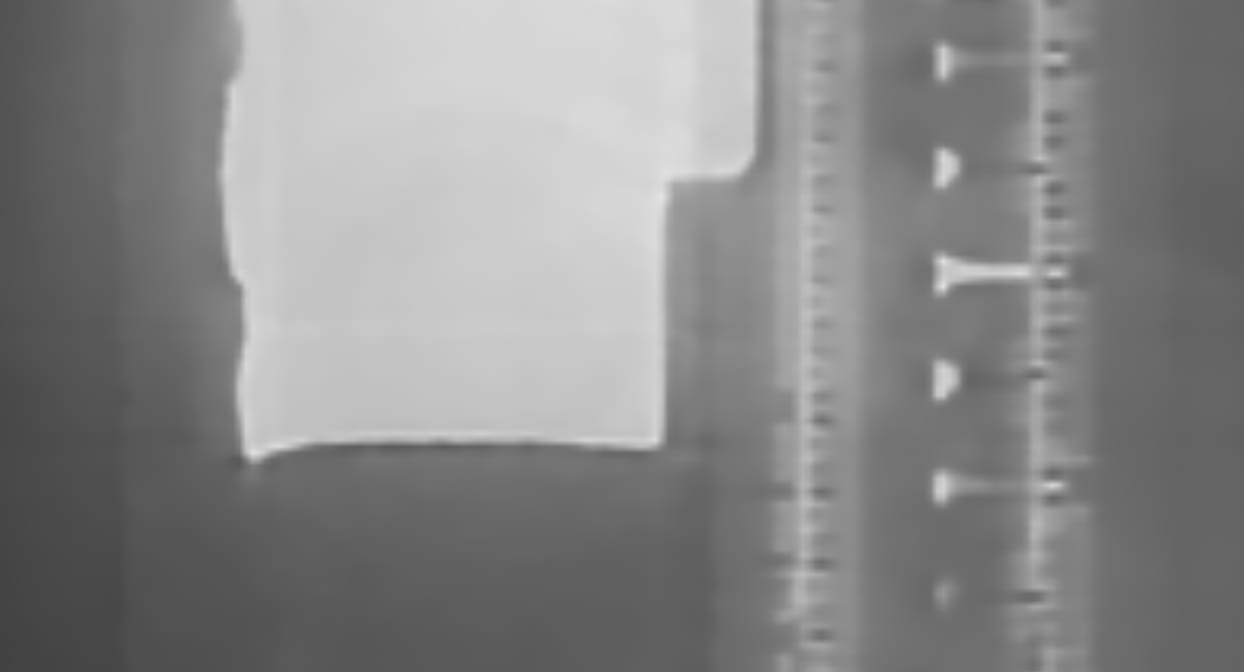
Common ways to reduce noise
Most methods trade noise for scan time or for detail.
Longer exposure or more projections
How it works: Collects more photons, so the random variation becomes smaller compared with the signal.
Limits: Increases the scan time. Halving the noise takes about four times as many photons.
Frame averaging
How it works: Averages several images at every rotation angle.
Limits: Costs as much scan time as a longer exposure.
Smoothing filters
How it works: Blurs the image data, for example with a Gaussian or median filter.
Limits: Removes fine detail together with the noise. Edges and small defects get washed out.
Standard TV denoising
How it works: Suppresses small variations in the volume while keeping strong edges.
Limits: Turns gradual transitions into flat, blocky patches, which affects surface determination and measurements.
How Voxray reduces noise
Voxray combines two methods. Advanced denoising removes the noise that fast scans produce, and sub-voxel TV denoising in QRT suppresses the remaining noise in the volume, with better edge handling and fewer blocky artifacts than standard TV.
Advanced denoising
Removes noise and keeps sharp features intact. Works with FDK and QRT reconstruction.
Flat panel and photon counting
Advanced denoising supports both flat panel and photon counting detectors.
Sub-voxel TV in every QRT license
Better edge handling and fewer blocky artifacts than standard TV, for more accurate measurements.
Neural reconstruction engine
Advanced denoising is part of the Neural reconstruction engine add-on module.
Frequently asked questions about noise in CT
What causes noise in CT?
Each detector pixel counts a random number of X-ray photons. With few photons, from short exposures, dense materials or small voxels, this randomness becomes large compared with the signal, and filtered backprojection amplifies it into grain throughout the volume.
What is advanced denoising in CT?
Advanced denoising uses a neural network to remove noise while keeping sharp features intact. You can use it with filtered backprojection (FDK) as well as with QRT.
Does denoising remove real details?
Any denoising can affect features close to the noise level. Advanced denoising is designed to keep sharp features intact, and sub-voxel TV preserves edges better than standard TV. For critical inspections, compare the result with a slower reference scan.
Which detectors does advanced denoising support?
Flat panel and photon counting detectors.
Is TV denoising included in QRT?
Yes. Sub-voxel TV denoising is part of standard QRT. Advanced denoising is part of the Neural reconstruction engine module.
Can I test QRT on my own scans?
Yes. Request a free trial and reconstruct your own datasets on your workstation, or choose the reconstruction service and send us a dataset to reconstruct for you.
Related CT artifacts
Reduce noise in your own scans
Try Voxray on your own data in a free trial, or talk to us about your scan times.